Audio-Technica AT2020 Review
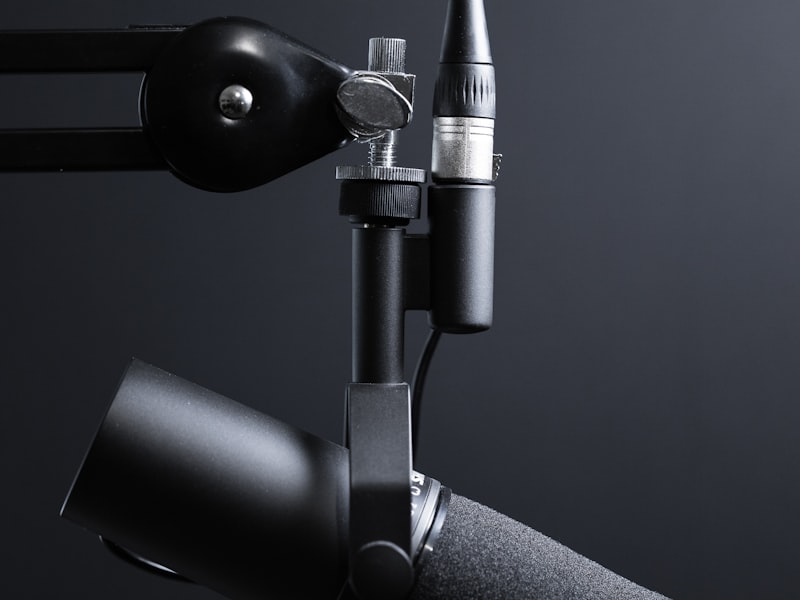
The Audio-Technica AT2020 has been the default recommendation for budget condenser microphones for over a decade. It shows up in every "best microphone under $100" list ever written. But here's what those lists don't tell you: what it actually sounds like in a real bedroom studio, where the walls aren't treated and the preamp cost less than dinner for two.
Build Quality & Design
Let's start with what you notice first: this thing is solid. The all-metal body feels like it could survive being knocked off a desk (which it will be, at some point). The included stand mount is basic but functional. No shock mount included — you'll want to budget an extra $15-20 for one, because this mic picks up vibrations from your desk, your keyboard, and your neighbor's subwoofer.
🎧 Audio Samples
Listen for yourself — recorded in a home studio environment.
Male Vocals — AT2020
Recorded through Focusrite Scarlett 2i2, no processing.
Acoustic Guitar — AT2020
12-inch distance, slight off-axis.
AT2020 vs. Rode NT1-A — Side by Side
Same source, same preamp, same distance.
Sound Quality
The AT2020 has a slightly bright character that works well on most vocal types. It's not harsh — just present. Male vocals sit nicely in a mix without much EQ work. Female vocals can occasionally push into sibilance territory, but nothing a gentle de-esser can't handle. On acoustic guitar, it captures the body and shimmer without getting muddy. It's not a mic that adds "magic" to your recordings — it captures what's there, honestly and clearly. For a home studio, that honesty is actually what you want.
Features & Specs
Cardioid polar pattern only. Frequency response of 20Hz-20kHz. Max SPL of 144dB (with pad). Requires 48V phantom power. No built-in pad or high-pass filter switch — everything is controlled at the preamp. This simplicity is both a pro and a con: fewer things to accidentally bump, but less flexibility at the source.
How It Compares
Against the Rode NT1-A: the NT1-A wins on noise floor and detail, but costs more than double. Against the Audio-Technica AT2035: the 2035 adds a pad and HPF switch plus a slightly larger diaphragm — worth the $50 upgrade if you track loud sources. Against the Neat Worker Bee: similar price, the Worker Bee is warmer but less versatile.
Value for Money
At $79-99, the AT2020 competes with the Rode NT1-A ($199-249) in ways that are embarrassing for the more expensive mic. Is the NT1-A better? Yes, slightly — lower noise floor, slightly more detailed top end. Is it twice as good? Not even close. The AT2020 is the sweet spot where price and performance intersect for home studios.
👍 What We Like
- Outstanding value at the price point
- Clean, neutral sound for vocals and instruments
- Built like a tank — all-metal body
- Low self-noise for a budget condenser
👎 What Could Be Better
- No pad or roll-off switch on the mic body
- Picks up room noise easily (cardioid but sensitive)
- Needs a decent preamp to really shine
- XLR only — no USB option in the standard model
The Verdict
7.8/10
The AT2020 remains one of the best values in home recording. It won't make you sound like you recorded in Abbey Road, but it won't embarrass you either. If you're building your first studio and need a condenser that just works, this is still the one. Spend the money you save on acoustic treatment instead.
Check Price on Amazon →
As an Amazon Associate, GearBooth earns from qualifying purchases.